


And 100% made in France
Awaken the hummingbird within you!
Free shipping on orders of €80 or more
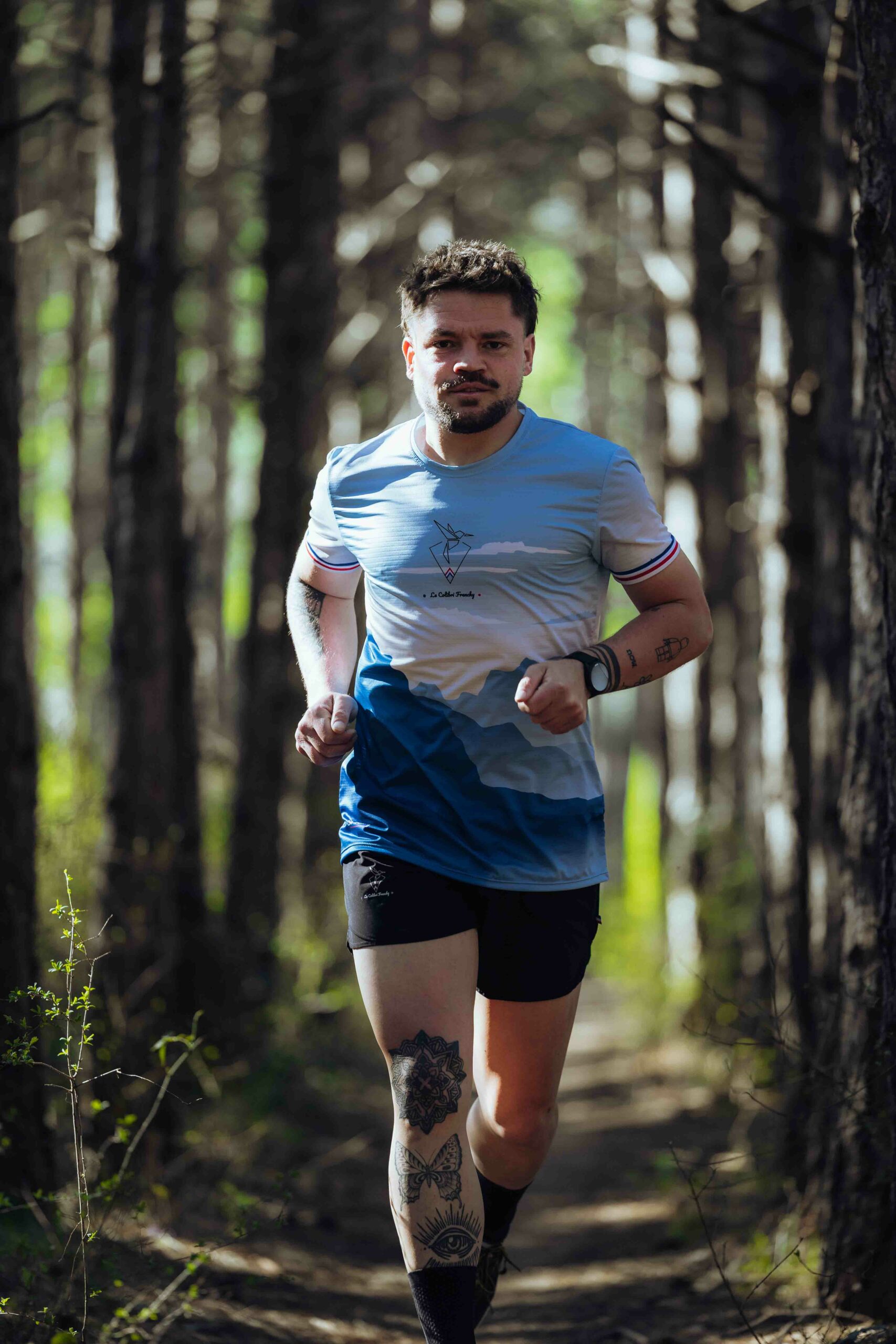
To get back into running, start by replacing any clothing that no longer fits your body, suits your running style, or is appropriate for the expected conditions. You don’t necessarily need a whole new outfit. Try on your current pieces and choose the item that addresses the most specific issue.
A T-shirt tucked away in a drawer may look in good condition but might not offer the comfort you need today. Put on your outfit, walk around, raise your arms, and bend your legs. Check the seams, elastic bands, length, and any areas that feel tight.
Separate the clothes that fit you well from those you never wear. For the latter, identify the reason: fit, fabric feel, season, or simply a matter of personal taste. You’ll avoid repeating the same purchase by simply choosing a new color.
| Problem Identified | Purchasing priority to consider |
|---|---|
| A top restricts movement | A cut tailored to your current measurements |
| The bottom slips or is uncomfortable | A better-fitting style and size |
| An area lacks coverage | An appropriate accessory or layer |
| The pieces fit well but there aren’t enough of them | An additional item for rotation |
This checklist applies to clothing. It does not replace checking the rest of your gear and the conditions in which you plan to run.
Make your first purchase the item you’ll actually wear. If your bottoms fit well, comparing running T-shirts may be more practical than buying a whole new outfit. If your top already works, look for bottoms that match your fit—such as women’s shorts—and check the size guide.
For seasonal needs, browse accessories. A headband or neck warmer can complement an outfit, but they don’t replace weather protection when it’s needed.
Changing one piece at a time helps you understand what improves your comfort. Test it out on a run suited to your return to running before using the new outfit for a longer run.
Also, leave some room in your budget for needs you’ll discover after a few sessions. Your riding frequency and laundry routine will then help determine how many pieces you actually need. Your initial selection doesn’t have to account for every possible scenario.
Start by checking what you already own. Fill in any gaps you find by choosing clothing suited to your movements and the conditions.
Compare your current measurements to the size chart. The size you used to wear or the size you wear in another brand isn’t enough to guarantee a proper fit.
Any item you can’t explain the purpose of. Ask yourself on what kind of outing you’ll wear it and what problem it solves before ordering it.


Directed by COQPIT - Communications Agency


