



And 100% made in France
Awaken the hummingbird within you!
Free shipping on orders of €80 or more
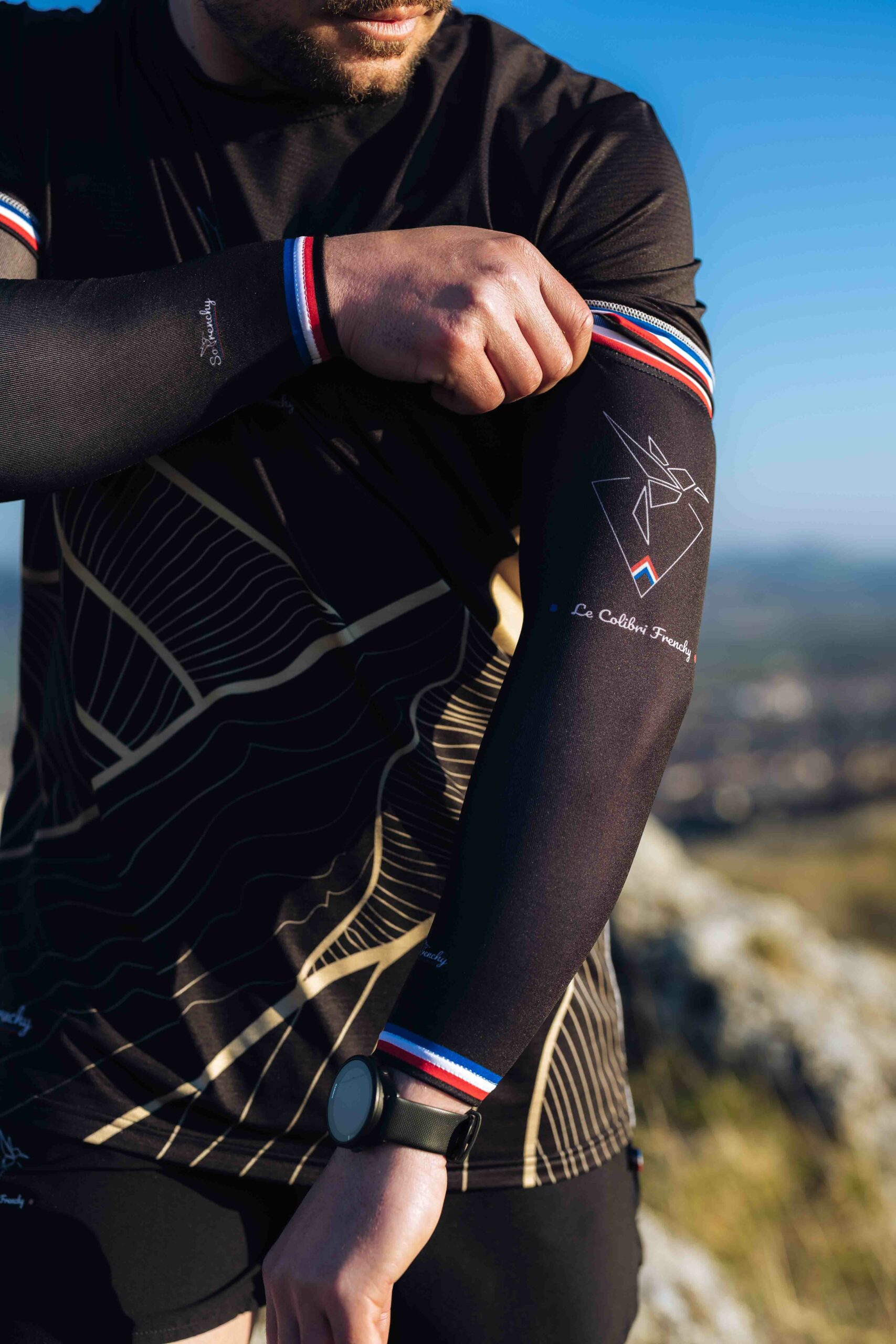
To put together a spring running outfit, start with the pieces you already own and figure out how to adapt them to changing conditions. A familiar top, an option for your arms, and truly useful accessories can form a cohesive foundation. The goal is to fill in the gaps without buying a different outfit for every weather condition.
The seasonal transition doesn’t happen overnight. It might start off cool, but the rest of your run could get warmer. Consider your usual running times, the terrain, and whether you can stow away a layer you’ve taken off.
Reuse the pieces that work. A lightweight long-sleeved top can still be useful for some runs, while a short-sleeved T-shirt becomes more common on others. The choice is made run by run, not according to a fixed calendar rule.
| Items You Already Own | Question to Ask Before a New Purchase |
|---|---|
| Short-sleeved T-shirt | Does the fit still work for you? |
| Long-sleeve top | Is it suitable for chilly mornings? |
| Cuffs | Can you put them on and take them off easily? |
| Headband or neck warmer | Is the material suitable for current needs? |
| Socks and stockings | Do they still go well with your shoes? |
If all your needs are covered, you can simply rotate them. If a particular item is regularly missing, your next purchase will serve a specific purpose.
Adding to your collection provides an extra function or option. Replacing an item addresses one that’s worn out or no longer suits you. Make this distinction before browsing the store, as it changes the criteria for comparison.
Short-sleeve T-shirts, long-sleeve T-shirts, and sleeves allow you to create multiple combinations. Check the fit and fabric of each style, then choose based on your movements and layering habits.
If a race is coming up, use your training runs to test out new outfit combinations. Pay attention to how comfortable the top feels with your backpack, the placement of accessories, and how much space your socks take up in your shoes.
Keep the option open to adapt your outfit to actual conditions. A lightweight accessory isn’t a substitute for weather protection if it’s needed, and a compact outfit must still comply with the rules of the specific race.
Before adding anything to your cart, articulate your need in a single sentence: to cover your arms at the start, to have a clean top between sessions, or to replace a garment that has become uncomfortable. If you can’t come up with that sentence, the purchase can probably wait.
This approach to choosing helps you maintain a wardrobe you actually use, consisting of familiar pieces and accessories that are justified by your activity.
No. They can still be useful depending on the conditions and how you feel. The season alone doesn’t determine the right garment.
They can offer a way to mix things up if your T-shirt already fits well. Check the fit and see if you can tuck them in during your run.
Plan for delivery time and the time needed to try them on. Your goal is to show up with a tried-and-true outfit that’s suited to the expected conditions.


Directed by COQPIT - Communications Agency


